
Dark Mode


Hydroponic Thai Basil Growth Optimisation Dataset
Data Science and Analytics
Tags and Keywords
Trusted By



"No reviews yet"
Free
About
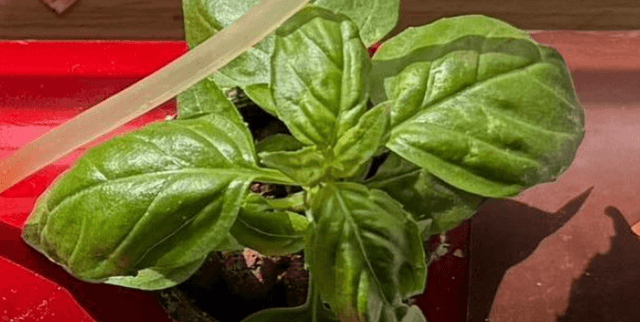
Optimising the cultivation of Thai Basil within hydroponic systems involves the meticulous monitoring of both environmental and physiological variables. These records capture the dynamic interaction between climate factors and plant development, providing a thorough view of growth patterns under controlled conditions. By documenting key parameters like solar radiation, pH, and nutrient levels alongside physical development markers, the data assists in the advancement of precision agriculture techniques and the development of smart farming solutions.
Columns
- Sr. No.: A sequential numerical identifier assigned to each of the recorded instances.
- Date: The calendar day on which the measurements were taken, covering a period from early January to early February 2025.
- Temp: The ambient temperature of the growth environment, recorded in degrees Celsius.
- Humidity: The percentage of moisture content in the air surrounding the hydroponic setup.
- Max Potential Solar Radiation (W/m²): The peak intensity of solar energy reaching the crop, measured in Watts per square metre.
- pH: The measurement of acidity or alkalinity within the hydroponic nutrient solution.
- TDS: Total Dissolved Solids, indicating the concentration of minerals and nutrients available in the water.
- Green Area: A numerical calculation representing the total surface area of the plant's leaves.
- Height: The vertical growth of the Thai Basil plant, measured from the base to the highest point.
Distribution
The information is delivered in a CSV format titled
Basil_02Jan-3Feb.csv, with a compact file size of 1.29 kB. The collection consists of 24 distinct records across 9 data columns. The integrity of the material is high, featuring a 100% validity rate with no missing or mismatched entries, ensuring a reliable foundation for analysis.Usage
This resource is ideal for training machine learning models to predict plant height and leaf area based on environmental inputs. It can be used to identify the optimal ranges for pH and TDS to maximise growth efficiency in hydroponic environments. Researchers can also apply the data to perform correlation studies between solar radiation intensity and the physiological development of Thai Basil.
Coverage
The scope is specific to the growth of Thai Basil (Ocimum basilicum var. thyrsiflora) in a controlled hydroponic setting. The temporal range of the records spans from 2 January 2025 to 3 February 2025. The data provides a focused look at the environmental and physiological factors influencing a single growth cycle.
License
CC0: Public Domain
Who Can Use It
Agricultural scientists can utilise these metrics to refine hydroponic cultivation protocols and improve crop yields. Data scientists and machine learning practitioners may use the normalised values to build predictive models for precision farming applications. Furthermore, hydroponic hobbyists and students can leverage the data to benchmark their own growing environments against professional observations.
Dataset Name Suggestions
- Thai Basil Hydroponic Growth and Environmental Metrics
- Precision Agriculture: Thai Basil Physiological Development Records
- Hydroponic Thai Basil Growth Optimisation Dataset
- Thai Basil Environmental and Climate Influence Data
Attributes
Original Data Source: Hydroponic Thai Basil Growth Optimisation Dataset
 QUALITY
Loading...