
Dark Mode


SONAR Binary Classification Benchmark
Data Science and Analytics
Tags and Keywords
Trusted By



"No reviews yet"
Free
About
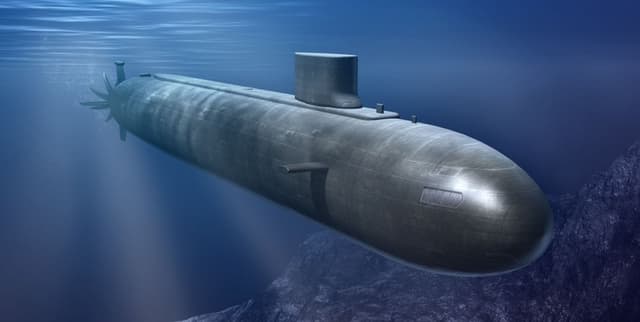
Submarine SONAR signal patterns facilitate the identification of underwater objects, specifically distinguishing between metal cylinders (mines) and natural rocks. By capturing various signal frequencies and acoustic returns, this resource provides the necessary features to predict hazards or targets lying in the path of a vessel. The significance of this information lies in its ability to support naval safety and autonomous underwater navigation through precise classification of sonar returns.
Columns
The material contains 10 of the original 61 columns, primarily focusing on numeric acoustic signal features:
- 0.0200 (Feature 1): A numeric signal intensity value with a mean of 0.03 and 100% validity.
- 0.0371 (Feature 2): A numeric signal intensity value with a mean of 0.04 and 100% validity.
- 0.0428 (Feature 3): A numeric signal intensity value with a mean of 0.04 and 100% validity.
- 0.0207 (Feature 4): A numeric signal intensity value with a mean of 0.05 and 100% validity.
- 0.0954 (Feature 5): A numeric signal intensity value with a mean of 0.08 and 100% validity.
- 0.0986 (Feature 6): A numeric signal intensity value with a mean of 0.1 and 100% validity.
- 0.1539 (Feature 7): A numeric signal intensity value with a mean of 0.12 and 100% validity.
- 0.1601 (Feature 8): A numeric signal intensity value with a mean of 0.13 and 100% validity.
- 0.3109 (Feature 9): A numeric signal intensity value with a mean of 0.18 and 100% validity.
- 0.2111 (Feature 10): A numeric signal intensity value with a mean of 0.21 and 100% validity. (Note: The full dataset contains 61 columns, with the final column serving as the binary label for Rock or Mine classification).
Distribution
The data is distributed in a CSV format titled
sonar.csv, with a file size of 87.78 kB. It contains 207 individual records. The structure consists of 61 total columns, with the current subset representing a focused selection of 10 feature columns. All fields in this collection are 100% valid, with zero missing or mismatched records. The expected update frequency is annual.Usage
This resource is ideal for training and evaluating binary classification models. It is specifically designed for use with Logistic Regression and Decision Tree algorithms to predict the presence of mines versus rocks based on acoustic signatures. It also serves as a valuable tool for signal processing research and educational workshops focused on predictive analytics and regression within computer science.
Coverage
The scope of the material involves acoustic signal features derived from sonar returns. It provides 207 observations that document the differences in returns reflected from metal cylinders and those from rocks. While specific geographic or temporal coordinates are not included, the focus remains on the physical characteristics and signal patterns of underwater objects.
License
CC0: Public Domain
Who Can Use It
Data science students and educators can utilise these records to teach fundamental machine learning concepts like Logistic Regression and classification. Researchers in the field of underwater acoustics or naval technology may use the features to develop and test more accurate object detection systems. Additionally, software developers can use the data to benchmark the performance of various classification algorithms.
Dataset Name Suggestions
- Submarine SONAR Rock and Mine Classification
- Underwater Acoustic Signal Feature Dataset
- SONAR Binary Classification Benchmark
- Acoustic Object Prediction (Rock vs Mine)
Attributes
Original Data Source: SONAR Binary Classification Benchmark
 QUALITY
Loading...