
Dark Mode


Facial Presentation Attack and Spoofing Prevention Data
Generative AI & Computer Vision
Tags and Keywords
Trusted By



"No reviews yet"
Free
About
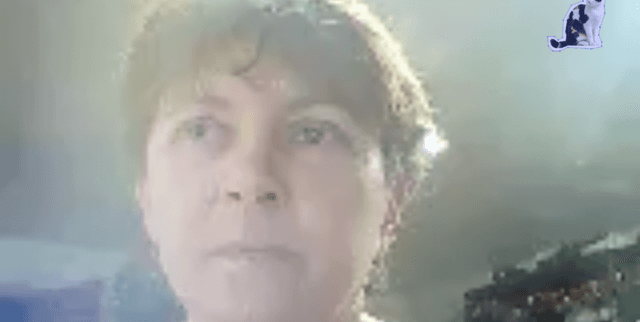
Securing active authentication systems against biometric attacks is a critical challenge as mobile devices and webcams become increasingly susceptible to sophisticated spoofing. Identifying the difference between a real human face and a digital replay or reflection requires robust anti-spoofing technologies trained on diverse, real-world examples. This collection provides low-quality live-recorded attacks captured via webcams with varied resolutions, designed to help developers extract facial features and patterns that prevent unauthorised access. By focusing on low-resolution imagery, the data supports the creation of models that remain accurate even when hardware quality is limited.
Columns
- assignment_id: A unique identifier for each specific attack instance recorded in the library.
- worker_id: The identifier for the individual user who performed and recorded the biometric attack.
- gender: The gender of the participant, allowing for demographic-balanced model training.
- age: The age of the person in the video, used to ensure the system recognises faces across different life stages.
- country: The country of origin for the participant, providing geographic diversity to the records.
- resolution: The technical dimensions of the capture, specifying whether the video is QVGA, QQVGA, or QCIF.
Distribution
The data is structured as a significant repository containing over 95,000 human images and videos representing both genuine and spoofed presentations. The accompanying metadata is stored in a file titled file_info.csv, which maintains a usability score of 10.00. The records demonstrate total integrity with 100% validity and no missing values. This is a static resource with no further updates expected.
Usage
This resource is intended for training deep neural networks to identify distinguishing textures and patterns in different facial regions. It is an ideal tool for researchers developing liveness detection systems that must operate on devices with low-quality cameras. Practitioners can use the varied resolutions to test the generalisability of their anti-spoofing algorithms, ensuring they can effectively detect replays, reflections, and depth-based attacks in active authentication environments.
Coverage
The geographic scope of the collection is global, with a notable concentration of entries from Russia. It covers a broad demographic range including various ages and genders, with a mean participant age of 34 years. Technically, the data focuses on low-resolution webcam captures, specifically QVGA (320x240), QQVGA (160x120), and QCIF (176x144), simulating the challenging conditions found in everyday biometric security scenarios.
License
Attribution-NonCommercial-NoDerivatives 4.0 International (CC BY-NC-ND 4.0)
Who Can Use It
Computer vision engineers can leverage this library to improve the accuracy of face anti-spoofing models. Cybersecurity researchers can use the diverse attack recordings to study new spoofing techniques and develop countermeasures. Furthermore, AI developers focusing on biometric authentication will find the legally sourced, structured images and videos valuable for building systems that are resilient to real-world presentation attacks.
Dataset Name Suggestions
- Low-Resolution Facial Anti-Spoofing and Liveness Detection Set
- Global Biometric Attack Archive: Low-Quality Webcam Imagery
- Active Authentication Liveness Training Library
- Facial Presentation Attack and Spoofing Prevention Data
- Large-Scale Low-Resolution Human Video Anti-Spoofing Dataset
Attributes
Original Data Source: Facial Presentation Attack and Spoofing Prevention Data
 QUALITY
Loading...
Free
Download Dataset in ZIP Format
Recommended Datasets
Loading recommendations...