
Dark Mode


Industrial Infrastructure Degradation and Maintenance Data
Product Reviews & Feedback
Tags and Keywords
Trusted By



"No reviews yet"
Free
About
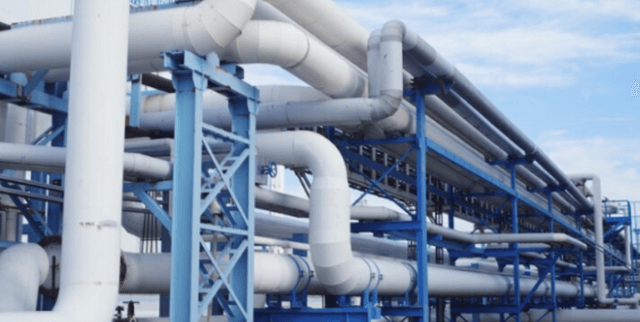
Monitoring structural integrity within the oil, gas, and fertiliser industries is vital for preventing environmental hazards and ensuring operational efficiency. These records capture the physical state of 1,000 pipeline segments, focusing on the mechanical properties and degradation factors that affect longevity. By documenting specific material grades, pressure tolerances, and the resulting thickness loss, the information provides a detailed overview of how different industrial environments impact infrastructure over time.
Columns
- Pipe_ID: A unique identifier for each individual pipeline segment, often associated with the specific length of the pipe.
- Pipe_Size_mm: The nominal size of the pipe, standardised in millimetres to reflect industrial specifications.
- Diameter_mm: The physical measurement of the pipe's diameter in millimetres.
- Thickness_mm: The initial wall thickness of the pipe, ranging from approximately 3mm to 30mm.
- Material: The primary metallic substance used for construction, including Copper and Aluminium.
- Strength_MPa: The mechanical strength rating of the pipe material, measured in Megapascals.
- Grade: The technical classification or quality grade assigned to the pipe material, such as Grade B or C.
- Max_Pressure_Bar: The maximum operational pressure the segment is engineered to withstand, reaching up to 200 Bar.
- Corrosion_Impact_Percent: The measured extent of corrosion damage expressed as a percentage of the pipe structure.
- Thickness_Loss_mm: The actual reduction in wall thickness measured in millimetres, used to calculate structural degradation.
Distribution
The information is delivered in a tabular CSV format titled
pipe_thickness_loss_dataset.csv, with a file size of 72.83 kB. It contains 1,000 records, maintaining a 100% validity rate with no missing or mismatched data in the core columns. This resource is assigned a maximum usability score of 10.00 and is intended for quarterly updates.Usage
This resource is ideal for developing predictive maintenance models and classification algorithms within the industrial engineering sector. It can be used to simulate pipe failure rates based on pressure levels and material types or to analyse the correlation between corrosion impact and physical thickness loss. Furthermore, it serves as a robust training tool for data scientists looking to practice regression analysis on real-world engineering metrics.
Coverage
The scope covers essential industrial infrastructure in the oil and gas sector as well as fertiliser production facilities. It represents a diverse sample of 1,000 pipes featuring various materials like copper and aluminium. The metrics span a wide range of physical dimensions and mechanical properties, reflecting common configurations used in modern energy transport.
License
CC0: Public Domain
Who Can Use It
Reliability engineers can leverage these records to refine inspection cycles and improve safety protocols for high-pressure systems. Data scientists in the energy industry may utilise the structured data to build integrity monitoring software. Additionally, safety inspectors can use the historical measurements to benchmark the performance of different material grades against corrosive industrial processes.
Dataset Name Suggestions
- Industrial Pipeline Thickness Loss and Corrosion Database
- Oil, Gas, and Fertiliser Pipe Structural Integrity Metrics
- Metals and Pressure Integrity Registry: 1000 Pipeline Samples
- Industrial Infrastructure Degradation and Maintenance Data
- Global Pipeline Material Strength and Corrosion Archive
Attributes
Original Data Source: Industrial Infrastructure Degradation and Maintenance Data
 QUALITY
Loading...
Free
Download Dataset in CSV Format
Recommended Datasets
Loading recommendations...